Roads are incredibly important. Movement of capital, movement of labour, movement of goods, all of these require roads. Having open, safe roads is one of the best accelerators of progress.
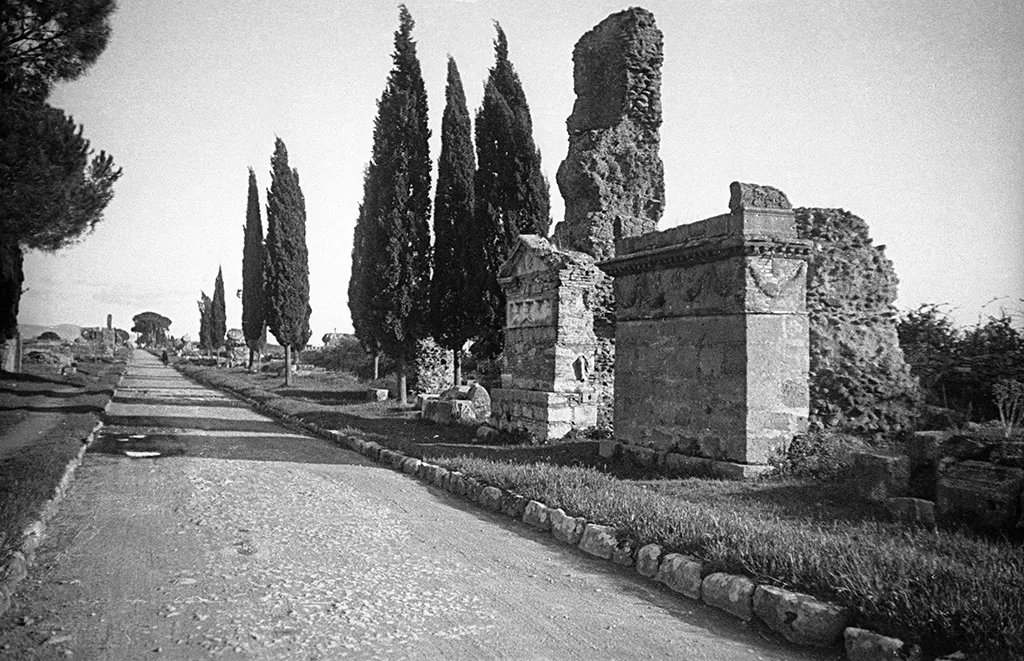
Consider Rome and the Pax Romana. Much of that was a result of open, safe roads. When the Romans conquered new land, they would build roads between their existing provinces and the newly acquired territory. Not because they simply loved building roads, but because that's how they extracted resources and collected taxes. These roads weren't just used by Roman legionaries either. Merchants and farmers used them to move their goods in and out of places. The Romans were great at building roads.
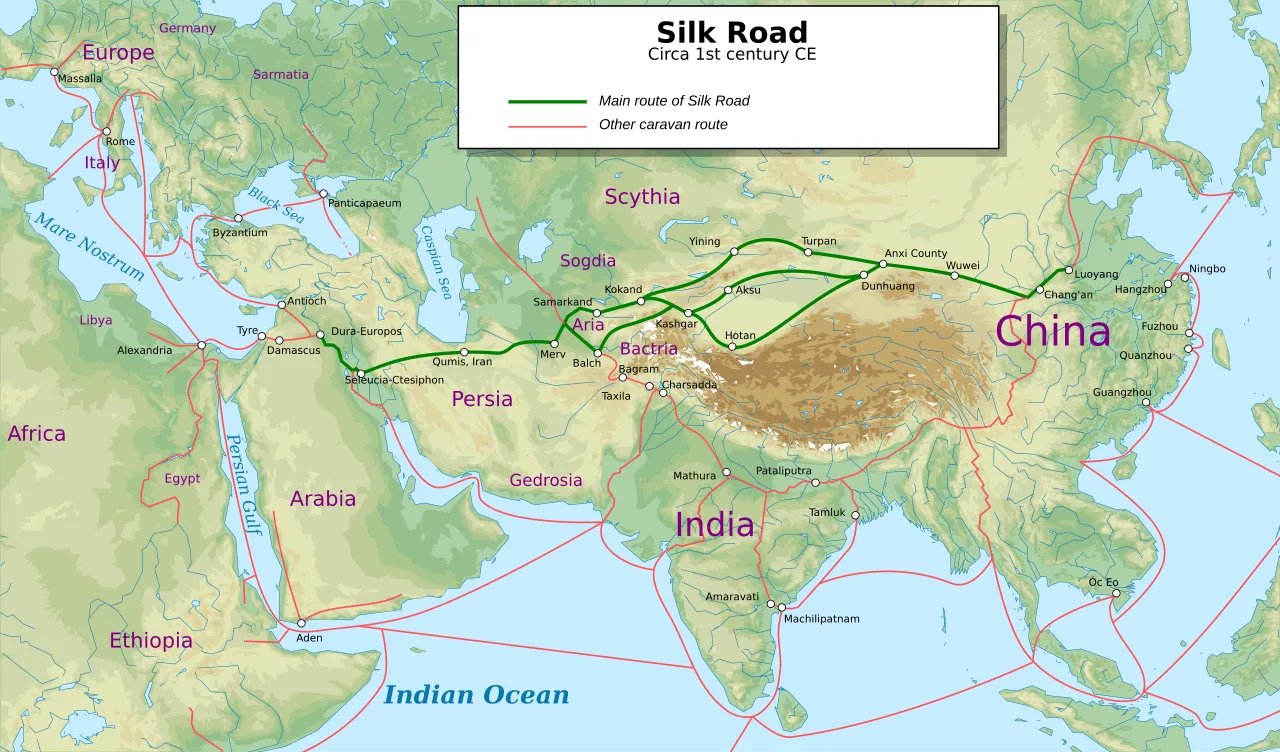
The Mongol Empire revitalized and secured the ancient Silk Road trade routes during the Pax Mongolica, establishing relay stations across the network that kept goods and information flowing. Before the Mongols unified the steppe, these routes were fragmented and dangerous. After unification, a merchant could travel from China to the Mediterranean with relative safety. That's the power of maintained roads.
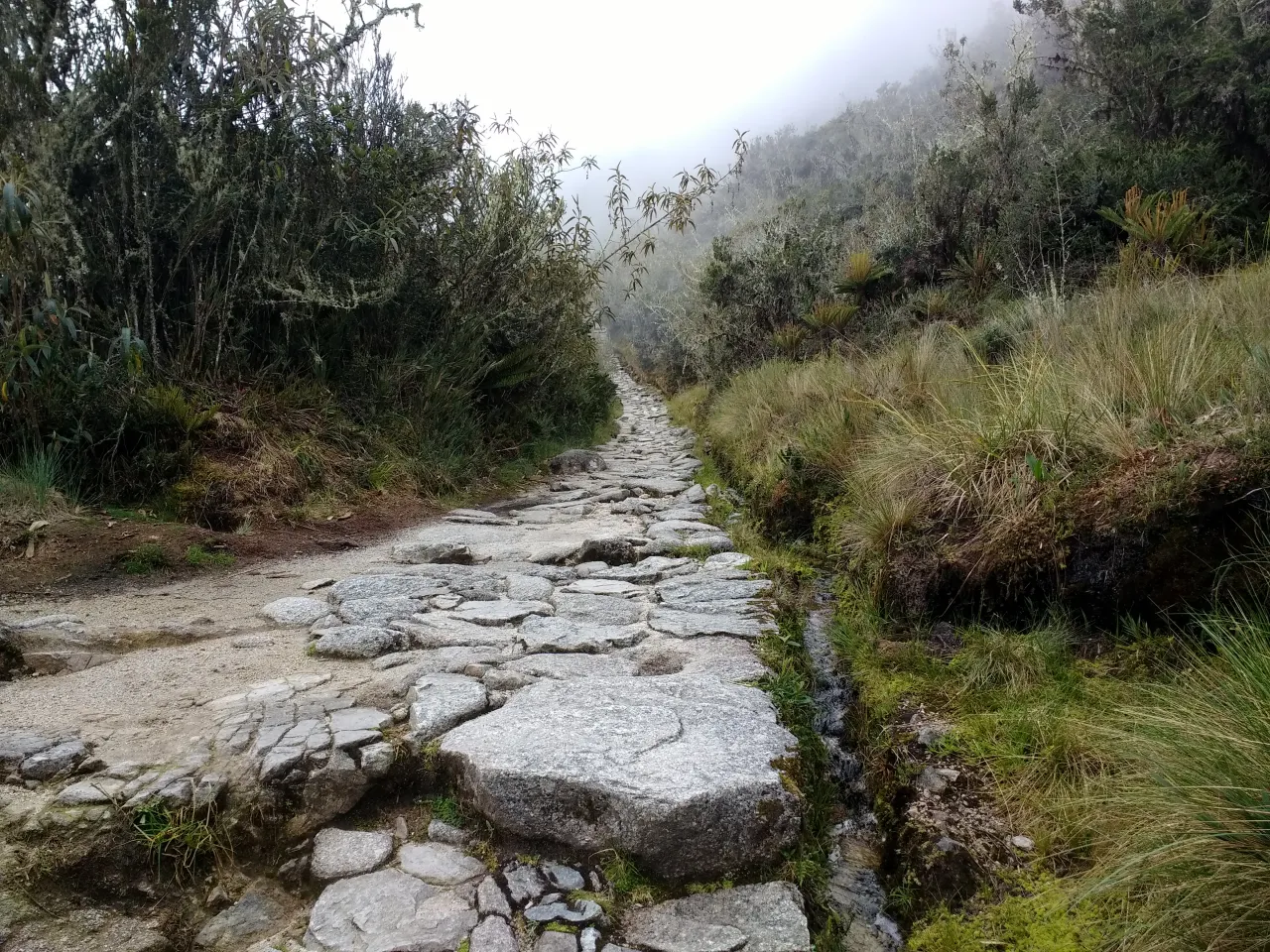
The Inca had massive road networks too. The Qhapaq Ñan spanned roughly 40,000 kilometers across the Andes, connecting what is now Colombia down to Chile. It held together an empire that had no wheeled vehicles. The roads were that important.
The pattern is the same everywhere. More trade means more goods, more taxes, a more powerful empire, more land, more roads, and the cycle keeps going.
The Chicken and Egg Problem
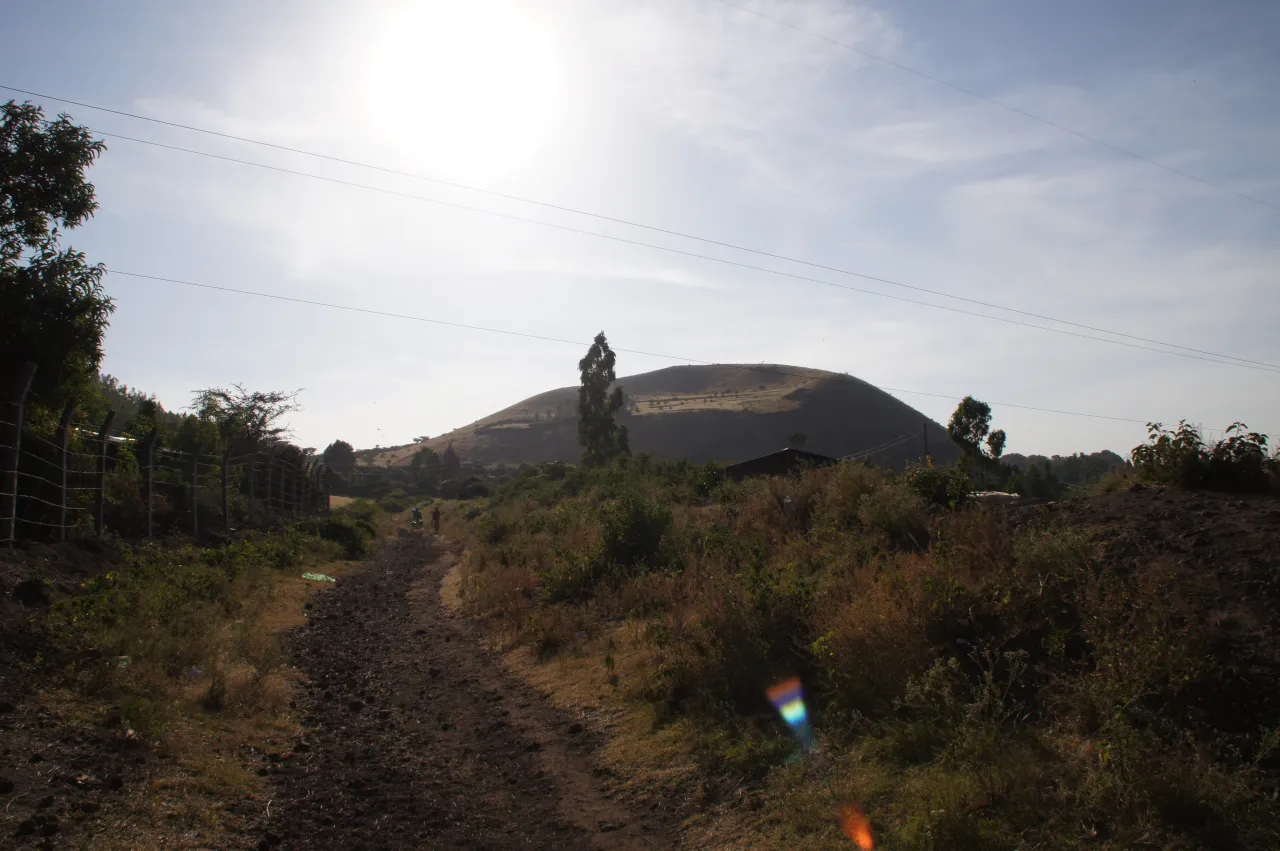
Now, after talking about why roads are so important, let me talk about the biggest problem we have here in Ethiopia and in most other African countries: we don't have enough roads. About 82% of Ethiopia's roads are unpaved. Only about 29% of rural Ethiopians live within 2 kilometers of an all-season road. The road network has grown dramatically, from 26,550 km in 1997 to over 160,000 km today, but with a population of 120 million and a land area of 1.1 million square kilometers, per-capita road density is still very low.
The impact of roads on development is not speculation. A World Bank study found that access to all-weather roads in Ethiopia reduced poverty by 6.9 percentage points and increased food consumption by nearly 17%. The African Development Bank estimates that closing Ethiopia's infrastructure gap could add 3 percentage points to annual GDP growth.
This matters even more for Ethiopia because the country is landlocked. According to a study by the Addis Ababa Chamber of Commerce, inland road freight from Djibouti to Addis Ababa alone accounts for about 41 to 44% of the total logistics cost of importing goods into the country. For a landlocked country where almost everything moves by truck, the quality of roads is not an abstract policy question. It directly determines the price of every imported and exported good.
Building roads requires massive upfront costs. Government revenues are already stretched too thin maintaining and supplying existing road networks. So if an area doesn't have enough economic activity going through it, it won't be a priority and it won't get new roads. This is fundamentally a funding issue. Even if we removed all corruption tomorrow, the government simply does not have the money to build roads everywhere they're needed.
But this is a chicken and egg problem. Economic development requires roads, and you can't get the government to build new roads unless there is enough demand for them. Businesses can't set up in an area because there are no roads. The demand for roads won't materialize because there are no businesses. Everybody sits around feeling powerless.
Toll Roads as a Solution
How can we solve this? One thing to look at is toll roads. You need some entity that can absorb the uncertainty involved in doing any kind of enterprise. That entity is called a company. That's what companies do. They take risk and they get rewarded for it through profit. In this case, one of the uncertainties in building a road is that it might not get used. No matter how unprofitable you think a given route might be, someone will do the proper market research and take the risk. Ethiopia is a market of 120 million people. There is demand.
Given all of that, any creditor will see the benefit of putting up the funds first and then profiting off the economic growth through toll collection. The people get their chicken and egg problem solved, they can trade their goods freely. Investors are incentivized to put up the initial cost because they will be rewarded tremendously for it.
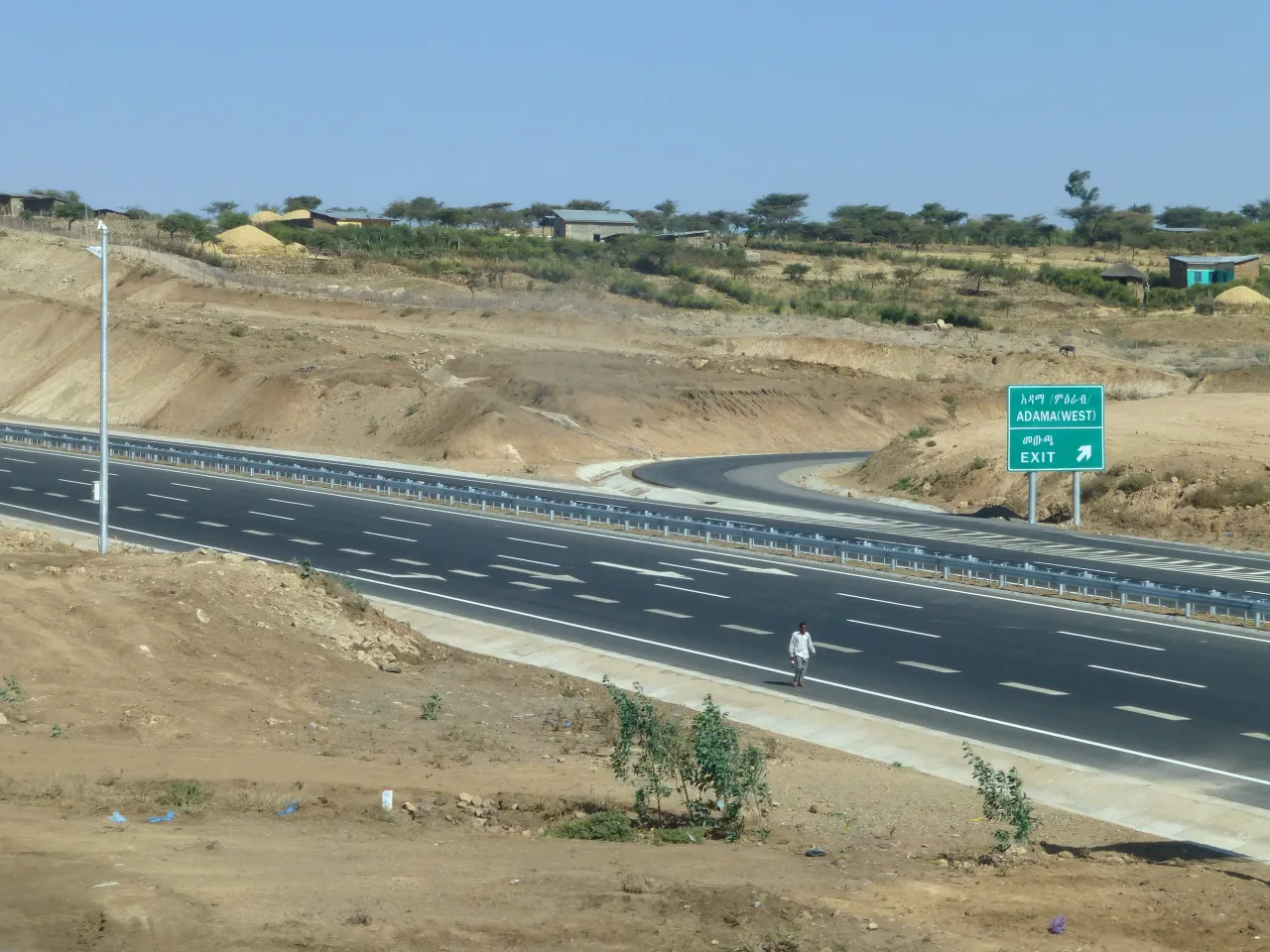
To be clear, I'm not just talking about public transportation here. I'm also talking about the transportation of raw materials to factories and products from factories to markets. Imagine the government leasing land from the borders to industrial zones. A private company builds the road, owns it, and is responsible for its upkeep. Other companies pay tolls to use it. The company that built the road has a direct incentive to maintain it well because its revenue depends on it. Just like the Romans built roads for their legionaries but merchants and farmers ended up using them too, these roads will be used by students, merchants, and farmers long after the trucks have passed.
This might seem like an aggressive idea, but I think it could be a real win-win situation for everyone involved. The people get a road. For investors, it's a great profit opportunity. The government gets more taxes.
The Monopoly Problem
Of course, this is not all good. A company that decides to build a road to a town will almost certainly want the best route to its destination. After that place's economic outlook improves, the company may raise toll prices to extract more profit. The natural balancing act would be that this creates an opportunity for another company to come in and exploit the opening created by the price hike.
But the problem is the land the first company leased will almost certainly be the best route. The fastest, the safest, the cheapest to build. The land the second company gets will always be inferior, unless they're building with some new technology that allows them to use routes that were previously unavailable. But this seems like a rare occurrence.
What I'm trying to say is that it's essentially a zero-sum situation. Once the first company has leased the best route, no one else can use it. At some point, maybe at three or four or five roads, there won't be enough viable routes left. So at best this would be a duopoly or triopoly. There is also the tendency toward mergers and acquisitions, so all those companies could eventually merge into one giant conglomerate, effectively becoming a second government levying their own taxes through toll roads.
Finding the Balance
There are policy solutions to address this, more competition and strict contracts. Maybe the leases aren't forever. Maybe there's some kind of capped profit rule where the government can renegotiate the lease periodically after a certain profit threshold is reached. Or maybe some kind of land value tax on the roads instead of normal land leases, where the government could vary the tax it imposes on the road network. You could even pilot this in specific economic zones first and scale up from there.
This is a delicate balance to strike. You don't want the regulations to be so aggressive that the potential gains become too small for companies to want to build the roads. But you also don't want a free-for-all where they grow too big and exploit the very people we were trying to help.
I've been saying "roads" this whole time, but this same logic applies to railroads, bridges, tunnels, and any other transport infrastructure. If a company can profit from building it, and people benefit from using it, the argument holds.
I've brought this idea up in a lot of conversations. I'm not completely sold on it. There are real risks, and getting the regulation right would be hard. But the chicken and egg problem isn't going to solve itself. The cost of doing nothing is already measured in poverty rates and export prices. An imperfect road is better than no road at all. Besides, having private roads feels like some Lee Kuan Yew style 4D chess move, so it's worth a try.